
PC Hardware
G.Skill Trident Z5 Neo 64GB DDR5-6000 Review: Set EXPO and Forget
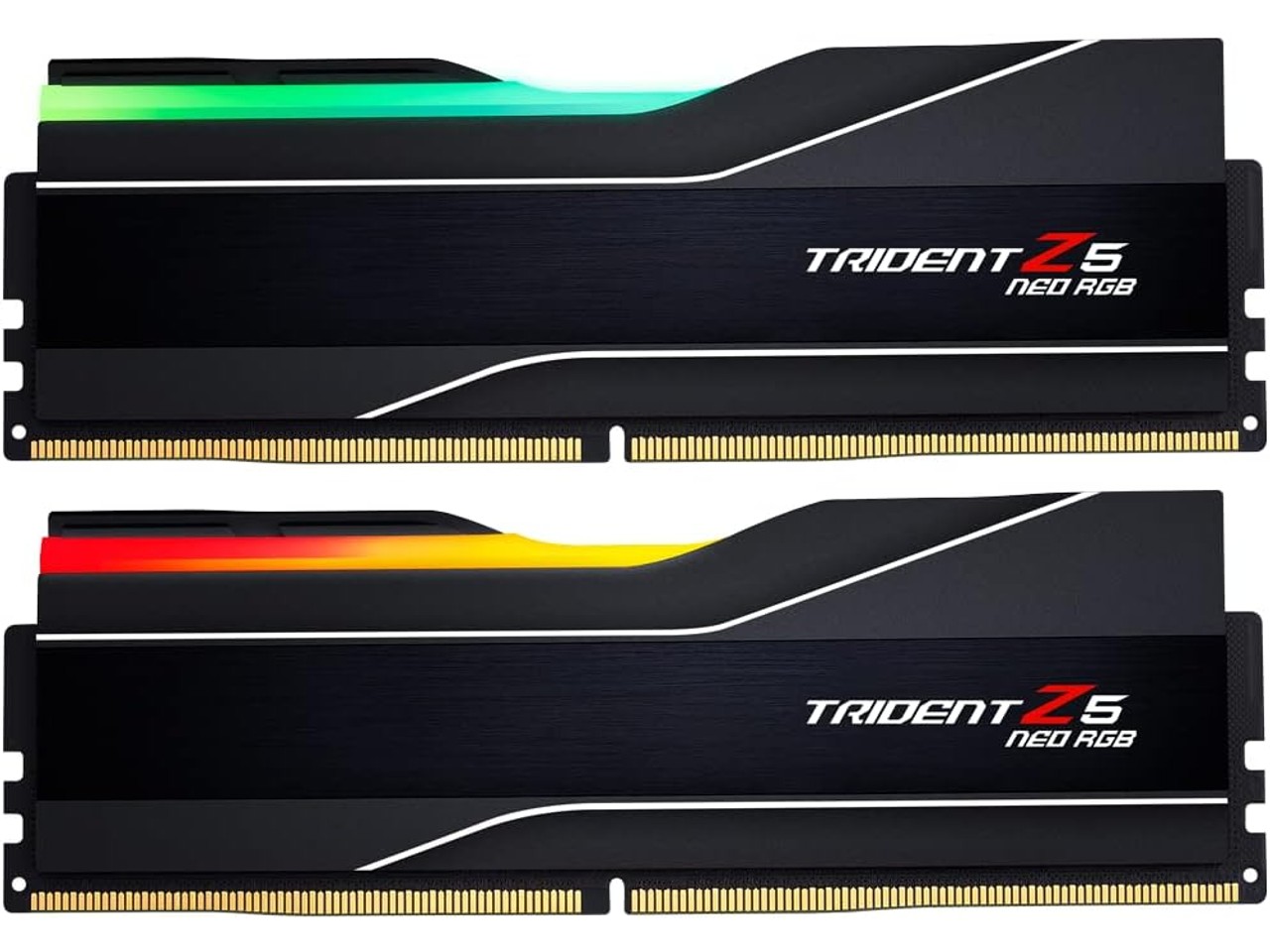

Memory selection on AM5 reduces to a well-known prescription: DDR5-6000 with low latency, running the fabric and memory controller in lockstep. G.Skill’s Trident Z5 Neo 64 gigabyte kit, two 32 gigabyte modules with an AMD EXPO profile, exists precisely to fill that prescription with a single BIOS toggle.
Why I Bought It
Capacity and simplicity. Thirty-two gigabytes serves gaming comfortably, but virtual machines for lab work and certification course preparation consume memory in a way games never will. A 64 gigabyte kit validated for AMD EXPO promised full capacity at the platform’s sweet spot speed without manual timing work.
Real-World Use
The ownership experience consists of one BIOS setting followed by years of silence. The EXPO profile applied cleanly at 6,000 megatransfers per second, survived every firmware update, and passed extended memory testing without a single error. Virtual machine hosts, container work, and oversized browser sessions coexist without paging pressure. The low-profile black heat spreaders clear large air coolers without interference, and the absence of RGB lighting on this variant is a feature in a chassis where the memory is not on display. There is nothing else to report, which is the point of buying validated memory.
The capacity decision has aged well. Laboratory environments for certification preparation routinely hold several concurrent virtual machines, each with generous allocations, while the host continues serving a browser, documentation, and communication clients without complaint. Gaming performance at 6,000 megatransfers per second with the low-latency profile matches the platform’s documented sweet spot; independent testing consistently shows diminishing or negative returns beyond this configuration on Zen 4, which removes any temptation toward exotic kits. Memory pressure, once a weekly consideration, has simply exited the list of things worth monitoring.
What I Dislike
DDR5 memory training remains the platform’s least charming trait, and high-capacity dual-rank kits amplify it; cold boots after firmware changes involve a blank-screen pause long enough to test faith in the hardware. The kit is blameless, but the wait never became endearing.
Why I Recommend It
For AM5 builders whose workloads extend beyond gaming into virtualization or content creation, this kit removes memory from the list of variables permanently. Set the profile once and forget the purchase.