
PC Hardware
NVIDIA GeForce RTX 4090 Review: Overkill, Gloriously
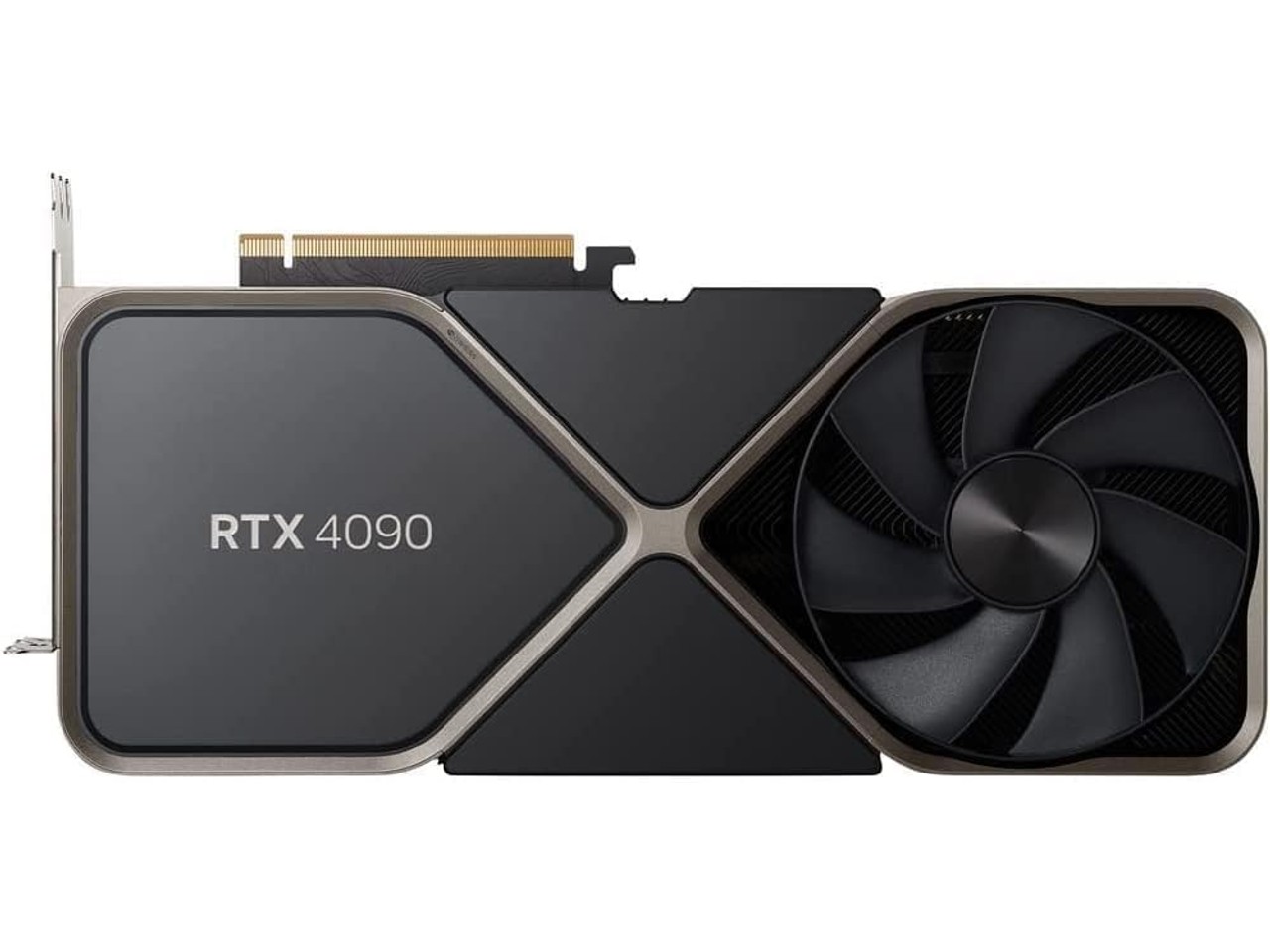

The RTX 4090 launched as a statement product: 16,384 CUDA cores on the Ada Lovelace architecture, 24 gigabytes of GDDR6X memory, a 450 watt power target, and a founding MSRP of 1,599 dollars. It was, and by most measures remained through its generation, the fastest consumer graphics card available, with a size and price to match.
Why I Bought It
The justification was consolidation: one machine for 4K gaming, GPU-accelerated video rendering for training content, and local experimentation with machine learning workloads. The 24 gigabyte frame buffer served the productivity half of that equation as much as the gaming half, and no other consumer card offered comparable capacity with comparable throughput.
Real-World Use
The performance is difficult to overstate. At 4K with maximum settings, the card renders most titles at frame rates that saturate a 120 hertz display before DLSS enters the conversation; with frame generation enabled, even path-traced showcases become playable luxuries. Rendering timelines that previously justified coffee breaks now complete in minutes. The card’s physical reality is less elegant: it occupies more than three slots, demanded a case compatibility check, and its 12VHPWR power connector required careful seating and cable routing given the generation’s well-documented melting connector reports. Under sustained load the cooler remains composed and surprisingly quiet; the power draw and resulting room heat are simply facts of ownership.
The productivity dividends have proven as valuable as the gaming headlines. Hardware-accelerated encoding shortens the entire content pipeline, from screen capture through final export, and the dual encoders process simultaneous streams without contention. Local machine learning experimentation that would otherwise require cloud rental runs comfortably within the 24 gigabyte buffer. Idle power consumption is modest for the class, and the card spends most of the workday nearly silent with fans stopped. It is a strange product to describe: extravagant by every rational measure and yet, across three years of mixed workloads, never once the bottleneck.
What I Dislike
The power connector saga colored the early ownership experience; verifying full connector seating and avoiding sharp cable bends should not be homework for a flagship product. The card also made every future GPU purchase harder to justify, because the market above and beneath it repriced accordingly.
Why I Recommend It
For buyers whose work and play both consume GPU cycles, the 4090 amortized its extraordinary price across rendering, computation, and the best gaming experience available. Buyers with purely gaming needs were better served one or two tiers down.